
Today: 9:00AM - 8:00PM
Blog / St. Petersburg Kia Service

Blog

All St. Petersburg Kia Service St. Petersburg Kia Dealer Community Crown Kia News
Kia Road Trip Tips

4 Tips To Get Your Car Summer Road Trip Ready

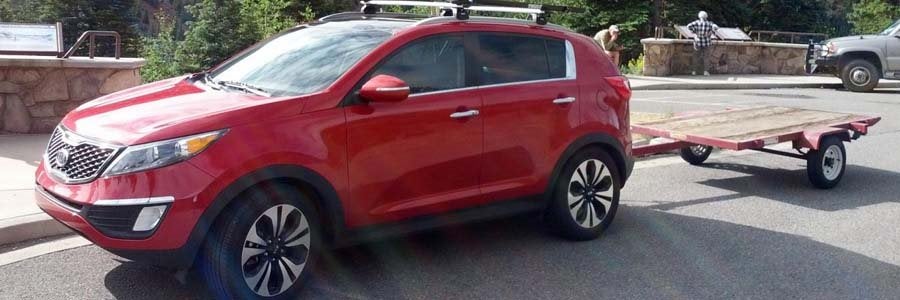
Road trips are adventurous and exciting, but they can also be exhausting and stressful if you are not fully prepared for one. Here are some tips to get your car ready for that summer road trip you have been looking forward to since last fall. The Crown Kia service staff in St. Petersburg, FL can assist you with many of these steps should you heed the following advice. Check All Fluid Levels Before hitting the road, check all of your fluid levels. These fluids include power steering fluid, brake fluid, transmission fluid, windshield wiper fluid, oil, and radiator coolant. After checking all fluid levels, make sure every belt and hose is secured in place. If you have recently brought your vehicle in for a check-up or repair, your vehicle is most likely ready to be driven. If you cannot remember the last time you got everything checked out, including an oil change, it might be best to take it in as soon as you can. Our knowledgeable associates in the service department at Crown Kia will happily serve you and ensure your vehicle is in working order before your trip. Check Your Tires Check your tire pressure and treads before starting your vehicle. Deep treads and adequate pressure are significant for proper traction while on the road. You should never inflate the tires more than their allotted amount due to the higher probability of the tires popping. Tire inflation should be closer to its maximum capacity during the summer, so try to keep this in mind before leaving for your trip. Bring a spare tire and car jack in the event of tire failure. Check All Lighting Make sure all of your lights, including interior lighting, are functioning properly. Your headlights, turn signals, and brake lights should be replaced before your journey to establish visibility and safety while on the road. Faulty exterior lighting is a safety hazard and will also get you pulled over by the police. Check your reading lamps and overhead lightbulbs to maintain driver and passenger security. What to Bring A GPS is a popular option to bring along when traveling, but a map will also suffice. It is best to have some sort of guide to reassure yourself that you are headed in the right direction. For emergencies, bring extra fuses, motor oil, jumper cables, a flashlight, first aid kit, and a cell phone charger for each person who carries a cell phone. Fully charged phone batteries will prevent anxiety from creeping up in case an emergency arises. Bottled water and protein-packed snacks will give everyone energy and a full stomach. At Crown Kia, we will be happy to examine your vehicle and make any necessary adjustments before your next adventure. We will work with your schedule to ensure you get on the road when you need to. Stop by our dealership in St. Petersburg, FL today and allow us to prepare your vehicle for you. We look forward to assisting you!

St. Petersburg Kia Offers Tips for Buying Your First Car

For the first time car buyer, buying a car can be overwhelming.  How do you know which car to buy, how much you can afford, or how to negotiate with the dealership?  There are many things to consider when car shopping that goes beyond finding a nice looking car in your favorite color.  Here are some tips from your St. Petersburg Kia dealer for buying your first car: Getting Your Finances in Order Buying a car actually starts at home, where you spend some time fine tuning your budget.  You need to know how much you can afford before you decide on a car you want to buy.  If you’re paying with cash, you’ll know exactly how much money you have to shop with.  If you’re financing the purchase with a car loan, you’ll need to consider what you can afford in terms of your monthly payment and all additional expenses – such as car insurance, registration, gasoline and maintenance. If you have a small budget, you might start by looking at used Kia vehicles.  You can often get a vehicle with just a few years and few thousand miles on it for several thousand dollars less than you can buy the newest model. Visit Our Website or Dealership Once you have an idea for how much you can afford, you can browse our inventory of vehicles on our St. Petersburg Kia website or at our dealership.  Make a list of cars that both fit your need for vehicle in terms of size and features, and that also fall within your budget. Armed with your short list of possible vehicle options, call your car insurance agent or go online to get insurance quotes for each vehicle.  You may be surprised to learn how different car insurance premiums are for each type of car. Double check Consumer Reports for reliability information to help minimize your long term maintenance expenses for any vehicle you choose. Take a Kia for a Test Drive By this stage in the buying process, you probably have just a couple of cars you are interested in.  The best thing you can do to finalize your decision is to take the cars for a test drive to see how it feels in the driver’s seat and how the car handles. Negotiate All dealers need to turn a profit on the sale of their vehicles, and as a buyer, you want to get the best price possible on your purchase.  When negotiating, don’t negotiate based on the monthly payment – negotiate the price of the car itself. If you are going with financing, make sure you get pre-approved for a car loan with a lender outside the dealership so you know what your interest rate would be, and then also allow the dealer to offer financing to you.  Use the loan with the lowest interest rate and best repayment terms.

Tips from Pinellas Park Area Kia for Driving Abroad

If you are planning a trip abroad and are going to rent a car to drive during the trip, you will want to take some time to learn about driving in another country, insurance and car rental contracts.  Things are not always exactly the same in a foreign country as they are at home!  Here are some tips from Pinellas Park area Kia for driving abroad: Check License Requirements Some countries allow any driver with a US driver’s license to drive in their country while others require an International Driving Permit.  You can get an International Driving Permit from the National Auto Club if you are at least 18 years old, but make sure to check legal driving ages in whichever country you visit. Car Insurance Considerations When Traveling Abroad You will want to check your insurance policy before you go to make sure it covers international driving.  Not all insurance companies will cover drivers in another country.  If you rent a car from a car rental organization, you can choose coverage through their insurance, or perhaps the credit card you use to rent the car will include car rental coverage. If you are traveling between countries, such as when traveling in Europe, make sure whatever you choose for your insurance coverage will cover you as you cross each border into another country. Preparing for Driving Abroad Road rules and signs are different in other countries.  Many cars in foreign countries have steering wheels on the opposite side of the car, and may drive on the opposite side of the road from what you are used to.  This can be difficult to remember and can create problems when entering and exiting intersections – be alert! Another tip for driving in a foreign country is to rent an international GPS unit to help you navigate.  You won’t want to use your smartphone’s GPS (if it even works in another country!) because you will pay higher data roaming charges. Learn How to Drive a Manual Transmission If you are used to driving an automatic car, you may want to learn how to drive a manual transmission before you travel and drive abroad.  Many car rental companies abroad only rent manual transmission vehicles – or if they have automatic transmissions available – they will generally charge extra for them.

Cheap Car Maintenance for Your St. Petersburg Kia May End Up Costing You More

People are always on the lookout for the best deals and lowest prices whether it comes to our groceries to car shopping or car maintenance services.  It’s often true that you get what you pay for, and sometimes the lowest price is not going to provide you the most comprehensive service when it comes to car maintenance.  Our St. Petersburg Kia service department focuses on providing high-quality, long term and affordable car maintenance for our customers – helping you avoid repeat visits for service. Using Cheap and Low Quality Parts Cause More Expensive Problems Some car maintenance service and repair shops find and buy the most inexpensive, non-factory parts they can to help keep their expenses down.  While they will probably quote you a lower price than a service center using factory auto parts, it’s important to keep in mind that cheap, non-factory auto parts can literally cause expensive damages over the long term.  Generic auto parts may not fit your vehicle exactly right which can cause new problems in your vehicle’s engine.  Factory auto parts may cost a little more to buy, but you can rest assured they are designed specifically for your Kia and will save you money over the long term as you will not be creating new problems with ill-fitting parts. Cheaper Car Maintenance Quotes May Result in Uncertified Mechanics Another reason some car maintenance service and repair centers can offer lower quotes is due to their employees having a lack of credentials.  If employees of a service center are not ASE certified, they can generally charge less for the time spent diagnosis and fixing your vehicle since they aren’t paying for the insurance coverage of their employees.  What you may not realize is a mechanic without certification may take longer to figure out what is wrong with the vehicle, and take longer to repair it – costing you more hours than you would pay for a knowledgeable, ASE certified technician.  The technicians at our Florida Kia dealership are certified and offer quality customer service. Updated and Quality Technology Our St. Petersburg Kia dealership invests in the latest technology and equipment to help our service technicians diagnose and fix your vehicle.  This helps keeps your costs down and ensures you get high quality service.  Some service and repair centers minimize their own costs by using outdated technology or older equipment leading to misdiagnosing your vehicle and repeat repair needs.

Pinellas Park area Kia Cautions Against Overly Aggressive Driving Habits

Many drivers experience aggressive feelings when behind the wheel, which can lead to overly aggressive driving habits that put themselves, their passengers, and everyone else on the road in danger.  Some aggressive driving habits include road rage, tailgating and speeding.  If you are guilty of these habits, you may want to take a closer look at your driving and minimize your need for an overly aggressive driving style to increase safety. Pinellas Park area Kia offers the following advice about common aggressive driving habits: Road Rage With roads becoming increasingly more populated as time goes by the chance that someone will react with anger to another driver's actions is not entirely unpredictable.  Unfortunately, these reactions can lead to situations that can endanger the health and well being of one or more of the drivers involved or even to innocent pedestrians in the wrong place at the wrong time.   Road rage can be detrimental to the drivers' health even if no direct interaction occurs.  Acute stress often occurs in these times and can lead to chronic stress which often leads to negative health outcomes including heart problems.  Exercising calmness and rational thought at these times can save on from a great deal of future problems.  Learn deep breathing exercises and use them when you feel angry at another person’s driving.  If you must, pull off the road and calm down before you experience road rage and make risky driving decisions. Tailgating Following other cars too closely can be a major traffic safety issue.  Leaving little room to change lanes, feeling pressured by other vehicles to exceed the posted speed limits, and driving out of a range that feels safe are just a few of the dangers.  The risk for rear-ending accidents are increased when people are tailgating.  All of these stressful conditions can lead to the negative health outcomes discussed above.   One of the rules followed by many and suggested by some drivers education textbooks is the “2-second rule”.  This means being two seconds behind the person in front of you that would be reached at current speeds and being two seconds in front of the person behind you, speeds being the same. Speeding Not only is speeding against the law but it also a risky activity that can endanger fellow drivers around you.  Some people just drive faster than the speed limit at all times, to the point that it becomes a normal activity for them.  Regardless of the reason there are steps that people can do to stop the practice of speeding: Train yourself to be more aware of the speedometer. Those who are conscious of how fast they are going at all times tend to speed less. Use cruise control if your car is equipped with it. Drive under the speed limit. Most times this will not lengthen commute time to any real degree and it adds safety. Leave early for your destination so that you do not feel “rushed” to get there.

Kia near Clearwater Explains How Stability Control Improves Car Safety

New safety features are developed with each new release of a vehicle.  One of the common, modern safety features found on Kia vehicles includes stability control.  Stability control is designed to improve handling of a vehicle for the driver in the event the vehicle starts sliding or skidding on the road.  If you’re interested in learning more about this safety feature, visit Kia near Clearwater and talk with one of our knowledgeable sales or service team members. How Stability Control Works There are a collection of sensors around the wheels and on various places of the vehicle which “talk” to the central computer and indicate when the vehicle starts going off course.  The stability control feature examines information from each of the sensors and the input from the steering wheel to determine whether there are problems.  If needed, stability control can apply anti-lock brakes to one or more wheels automatically to help keep the driver in control of the vehicle. Benefits of Electronic Stability Control Statistics compiled by the government show us that single vehicle crashes have decreased by 34% for cars and as much as 59% for SUVs since electronic stability control has been installed on vehicles.  International studies indicate that electronic stability control is effective in helping a driver maintain control of an automobile, thus saving lives and reducing injury.  The lower death and injury rates experienced on the roads make us all safer on the roads. Difference Between Traction Control and Stability Control Stability and traction control is not the same safety feature.  Stability control senses wheelslip and lessens the power of the engine pushing the car or applies brakes to stop it while traction control does not to alter the vehicle's course as electronic stability control does.   It is important to note that stability control does not prevent the driver from losing control of the car in every situation.  Factors such as slick roads, improperly inflated tires, or improperly warn tires can easily lead to losing control of the direction and/or speed of a vehicle.  This is why it is very important to be aware of upcoming weather conditions.   Vehicle stability control is generally unobtrusive and virtually invisible to the driver of the car.  Even when the braking does occur it is not normally noticeable to any great extent.  When stability control is used, it generally happens without the driver even noticing.  This is beneficial since the driver won’t be over-compensating for the situation and increasing the likelihood of losing control of their vehicle.

Do it Yourself Car Maintenance Tips from a Florida Kia Dealer

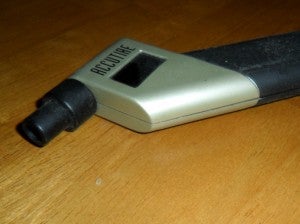
Even if you aren’t a die-hard do it yourself type, there are a number of basic car maintenance tasks that you can probably do yourself.  When you do your own car maintenance, you can save some money and not have to worry about finding a mechanic available when it works for your busy schedule.  For maintenance tasks that are too difficult for you to manage on your own, you can always call your Florida Kia service department and schedule an appointment.  Here are some tips for tasks you can probably do on your own: Common Car Maintenance People Can Often Do Themselves There are some car maintenance tasks that you can do with little or no experience if you take the time to review the instructions or even a “how to” video online.  Here is a short list of possible projects you could do yourself to save money and gain car maintenance experience: Replacing Windshield Wipers - If the rubber pieces on your windshield wipers are starting to show wear and tear, or the wipers are not keeping your windshield clear when it rains or snows, it is time to replace the wipers.  Purchase the correct wipers for your car, and then follow the instructions to replace them. Check Tire Pressure – if you have a vehicle that doesn’t tell you what your tire pressure is in the dashboard information center, then get a tire gauge.  You can check the pressure in your tires whenever it seems low and add air as necessary. Replacing Car Battery – all car batteries eventually need to be replaced.  You can disconnect and remove the old battery and just slide a new one into position and reconnect.  Just pay attention to disconnect and reconnect in the proper order: remove negative battery cable first when taking out the old battery and when you reconnect the new battery, start with the positive cable. Be Prepared with a Car Maintenance Kit If you plan to start doing some of your own car maintenance, you should put together a car maintenance kit so you have the necessary supplies when you need them.  It’s very frustrating to start a project only to discover you need to go to the auto parts supply store before you can do the work.   Here’s a list of items to keep in your car maintenance kit, so you are ready for most do-it-yourself jobs you might come across: Multiple wrenches in various sizes and/or an adjustable wrench Various sizes of screwdrivers, Phillips and flat Tire pressure gauge Pliers Jumper cables and/or a jumper box Work gloves to protect your hands Dry and clean rags

Driving Safety and Teen Car Insurance: Advice from a Pinellas Park Area Kia Dealer

The majority of US teenagers cannot wait until they are old enough to get behind the steering wheel.  They see driving as their ticket to freedom.  The parents of teenagers, on the other hand, often dread the day when their baby is old enough to drive around town on their own and are concerned for their safety.  Parents are also torn over whether or not their teenager should pay for their own car and insurance, or if they should pay for it for them.  Your Pinellas Park area Kia dealership offers the following advice for keeping teenagers safe on the roads and what to do about cars and insurance: Safety Starts With Good Examples If you want your teenagers to make good decisions when it is their turn to drive, you need to make safe driving decisions when they’re in the car with you.  They are watching and learning driving habits long before they’re old enough to drive themselves, even if you think they aren’t paying attention.  Don’t use your cell phone while driving, don’t experience road rage, and obey speed limits and driving laws if you hope your teenagers will do the same. Driving Practice Don’t send your teenagers out on the road without adequate driving practice.  It is only by experiencing different driving situations that they learn what to do in those situations.  Have your teenager drive with you in the car as often as you can before they get their license or have permission to drive alone, so you can point out what they’re doing correctly and what they need to improve.  Try to give your teenager experience driving on country roads, in the city, on the highway, and have them practice parking, three-point turns, and backing up. If your schedule doesn’t allow for a lot of time driving with your teenager, enroll them in a driving course so they get to drive with an experienced driver. Cars and Car Insurance for Teenagers Some parents want their teenagers to learn financial responsibility and feel the car and car insurance is a good place to start.  Others feel they will have their entire adult lives to worry about finances and that they should provide the car and insurance for the teenager.  Regardless of the decision you make, keep in mind that many car insurance companies will provide discounts to students who demonstrate good grades.  While having your teen pay for his or her own insurance and/or car can be a good life-lesson, the disadvantage is it will require your teenager to work and the part time job around school hours may interfere with their ability to participate in sports or extracurriculars often necessary for college admissions.

Clearwater Area Kia Discusses Common Car Financing Terms

Buying a new car is generally one of the biggest investments you will make.  If you’re going to spend a significant amount of money on a purchase, you will want to take the time to research the purchase and ensure you understand the financing agreement before you sign a contract.  The financing terms will vary from one lender to another, depending on if you finance your new car purchase through a dealership, a bank, credit union, or third party lender but the basic concepts are the same.  Here are some tips from your Clearwater area Kia dealer for understanding the common car financing terms and making sure you make a good decision on your investment: Average Amount Paid for Cars in the United States The price tag on cars depends on the make and model car you’re buying as well as whether you choose a new or used car.  The Federal Trade Commission published the average cost for used cars in the United States are $15,000 while the average new car price tag is listed at $28,000.  For the majority of car buyers, this means a loan is necessary to make the purchase. Pre-Buying Research The best car deals happen when buyers take the time to do their research before heading to the dealership.  Before shopping, get a copy of your credit report from one or all three of the credit reporting bureaus.  You can get one per bureau each year for free.  Your credit report will give you a good idea for whether you have good or bad credit – and since your credit is a major factor in getting financing for a car loan you should know where you stand.  If you have a ton of late payments and negative notations on the credit report, you probably will not qualify for a car loan, or if you do qualify – you’re going to pay a very high interest rate. If you find errors in the reports you should take steps to correct the inaccuracies as it could be causing your credit score to be lower than it would be otherwise. Car Loan Financing Terms Make sure you understand the following car loan financing terms before you sign your name to the contract. Loan Principal – the principal of a car loan is the amount you borrow, but it is less than what you will actually pay back over time due to the addition of interest and finance charges.  The principal amount is reduced by the amount of your down payment and/or value of a trade-in vehicle. APR (Annual Percentage Rate) – this is the rate of interest you are charged for the privilege of borrowing a car loan.  It can range from 0% (ideal!) to double digit interest rates for individuals with poor credit. Loan term – a term is how long you will repay the loan and generally ranges from one year to five years.

Experience Worry Free Driving With a Car Maintenance Checklist from Kia Near Tampa Bay

As the warmer weather of spring and summer approach, it’s a great time to consider whether your car is in need of any maintenance tasks.  Keeping up with the car maintenance needs of your vehicle offers a worry free drive and ensures you are as safe as possible on the roads.  Here are several items from your Tampa Bay area Kia dealer to check before the weather gets uncomfortably hot: Engine Fluids Your vehicle needs an oil change every 3,000 to 8,000 miles, depending what you drive.  Older vehicles needed oil changes every 3,000 miles or 3 months, but modern vehicles tend to go 6,000 to 8,000 miles before they need an oil change.  Check your owner’s manual to find out the particular oil change schedule for your car and keep up with it.  Don’t forget the oil filter, too.   Before driving your car, while the engine is still cold, check the level of your coolant.  The tank will indicate the fill-line, and this is where your coolant should be.  If you don’t have enough coolant, add some to ensure your car is not at risk of overheating.  Check your vehicle’s owner manual for adding coolant as some cars require a mix of coolant with water.   The transmission, power steering and brake fluid should all be checked, too.  If any of the fluids are below the recommended level, add more for optimum performance. Hoses and Belts If you can’t remember the last time your accessory drive belts were checked for fraying, cracking or general wear and tear – it’s probably time to schedule an appointment to have them checked.  Coolant hoses should also be checked to ensure they aren’t too soft or showing signs of leakage.  Call your Tampa Bay area Kia service department to schedule a checkup and maintenance on any of the hoses and belts as necessary. Brakes If you think your car is in need of new brakes, schedule an appointment to have them checked and replaced immediately.  Your vehicle’s brakes are your first line of defense to avoid car accidents.  You might notice it takes longer to slow down than it used to, or your steering wheel may shake when you slow down.  These are all warning signs that your brakes need replacing.  If you hear grinding or the sound of metal on metal, you may also need new rotors. Tires Take a look at all of your tires to check how much tread remains.  If the tread is less than 1/8 of an inch, it’s time for new tires.  If the tread looks good, you should probably rotate your tires as it should be done every 6,000 to 8,000 miles driven.

Using Automatic Car Washes: Tips to Avoid Damage from a Largo area Kia Dealer

It’s important to keep your car clean and the automatic car wash is one of the easiest ways to keep up with the task.  Convenience sometimes comes with a price, however, as an automatic car wash can cause physical damage to your vehicle.  Most car washes are designed carefully and are well maintained to prevent damages, but there is always a possibility that the brushes will scratch the paint or the force of the water will damage something on your car.  Here are some tips to avoid damage from automatic car washes from a Largo area Kia dealership: Types of Damages from Automatic Car Washes The most common types of damage from automatic car wash can be avoided with a few precautions.  Before you go through the car wash, try the following: Put retractable antennas down before entering a car wash to avoid having them ripped off or bent during the car wash. If your side mirrors are loose, avoid automatic car washes which are likely to rip them off.  If your side mirrors fold in, push them in before entering the wash. Remove all cargo from the roof racks as the force of the wash can push them off or break things. Only use well maintained car washes that have new brushes.  Car washes with old brushes put you at risk for metal bristles or wires sticking out that will scratch your paint finish. Do not use an automatic car wash if you have any water leaking issues around your doors or windows.  Don’t forget to make sure all windows are closed tight before entering the car wash. Reducing Risks at Automatic Car Washes When you drive your car, you put it at risk for scratches and damages and short of leaving your car secure inside a garage all the time – there is no foolproof way to prevent every possible opportunity for damage.  If you can hand wash your car, then you eliminate all of the potential for automatic car wash damages but if you must use an automatic car wash – look for touch free versions that do not use brushes as these have less risks for damage to vehicles than car washes that use brushes to clean the dirt off your vehicle.

Avoid Traffic Tickets With These Tips from a Pinellas Park Area Kia Dealer

For most drivers, getting a traffic ticket is not on the top ten lists of things to do!   From speeding to tailgating to unsafe lane changes – you’re probably guilty of some of these habits at some point in time.  There are several bad driving habits that are likely to get you a traffic ticket if there is a cop in the area – so follow these tips from a Pinellas Park area Kia dealer to help decrease your risks for getting a ticket: Driving Too Fast Sometimes speeding is unintentional and you don’t even realize how fast you’re going until you see the flashing lights of the cop behind you.  Other times, you are purposely pushing the speed limits because you’re in a hurry to get somewhere.  If you find yourself traveling faster than the posted speed limits, you can be pretty sure eventually you will be caught and find yourself paying a traffic ticket fine or facing the judge in court. You can help prevent speeding when traveling on the highway by using your cruise control to set your speed.  When driving through the city or residential areas, just remember to check your speed regularly and keep it under the posted limits to avoid a ticket.  It’s better to get where you’re going a few minutes later than get into a car accident or end up with a speeding ticket. Driving Too Close: Tailgating When you drive too close to the vehicle in front of you, it’s called “tailgating”.  Tailgating is a dangerous way to drive because it does not give you very much time to react if the car in front of you has to stop or turn unexpectedly for some reason.  Tailgating usually ends up in a rear ending accident – or if a police officer sees a car tailgating, they may decide to give the driver a ticket for unsafe driving. A good rule of thumb is to leave about a cars length for every ten miles per hour you’re driving.  If traveling at 60 miles per hour, leave six car lengths between you and the car in front of you to give yourself adequate time to stop. Changing Lanes Without a Turn Signal Vehicles are equipped with left and right turn signals in order to let other drivers and pedestrians know what your intentions are.  If you don’t use your turn signals when turning off a highway or changing lanes on a multi-lane highway, the drivers of the vehicles around you are not sure what you plan to do and a car accident is more likely.

Contact Us

Fill out this form below and we'll contact you shortly
*Required Fields